Triphala (Three Fruits)
Classical Ayurvedic formula of three fruits for digestion, detoxification, and rejuvenation.
Overview
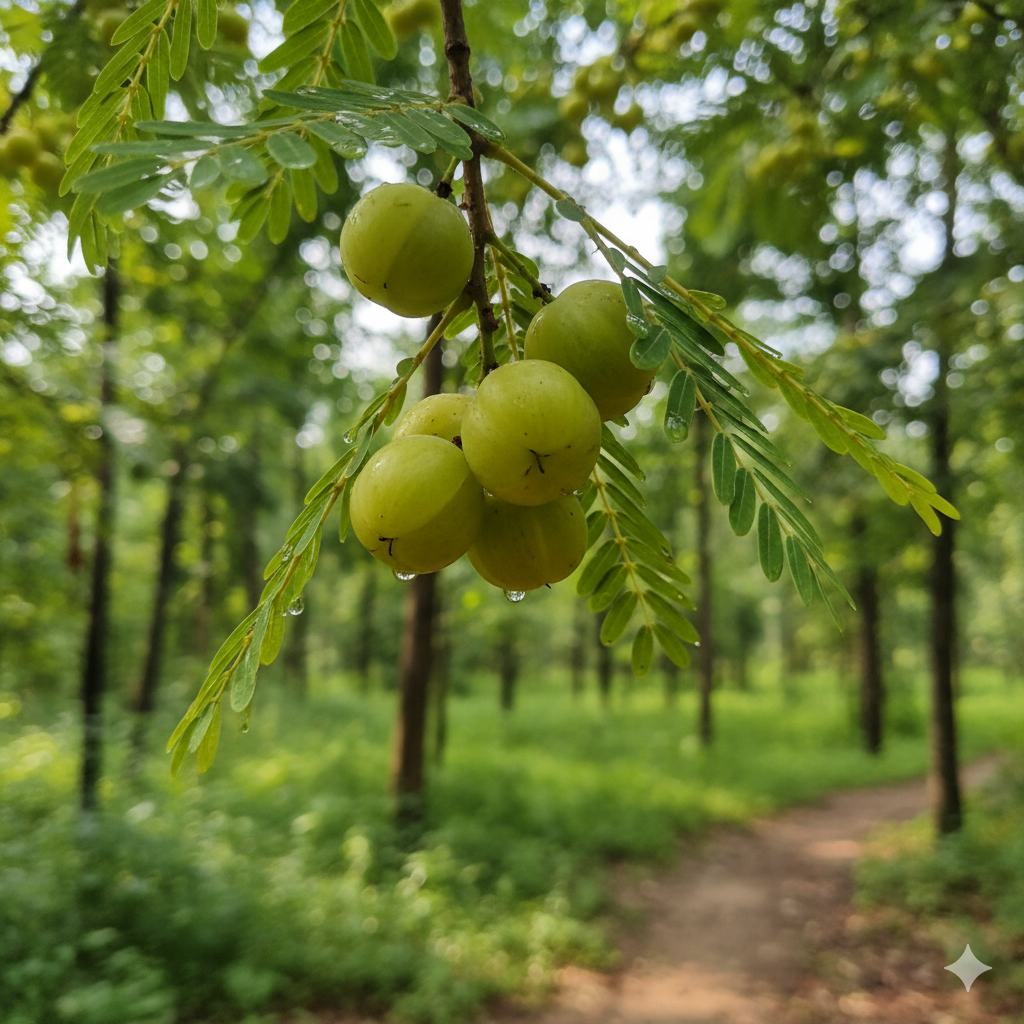
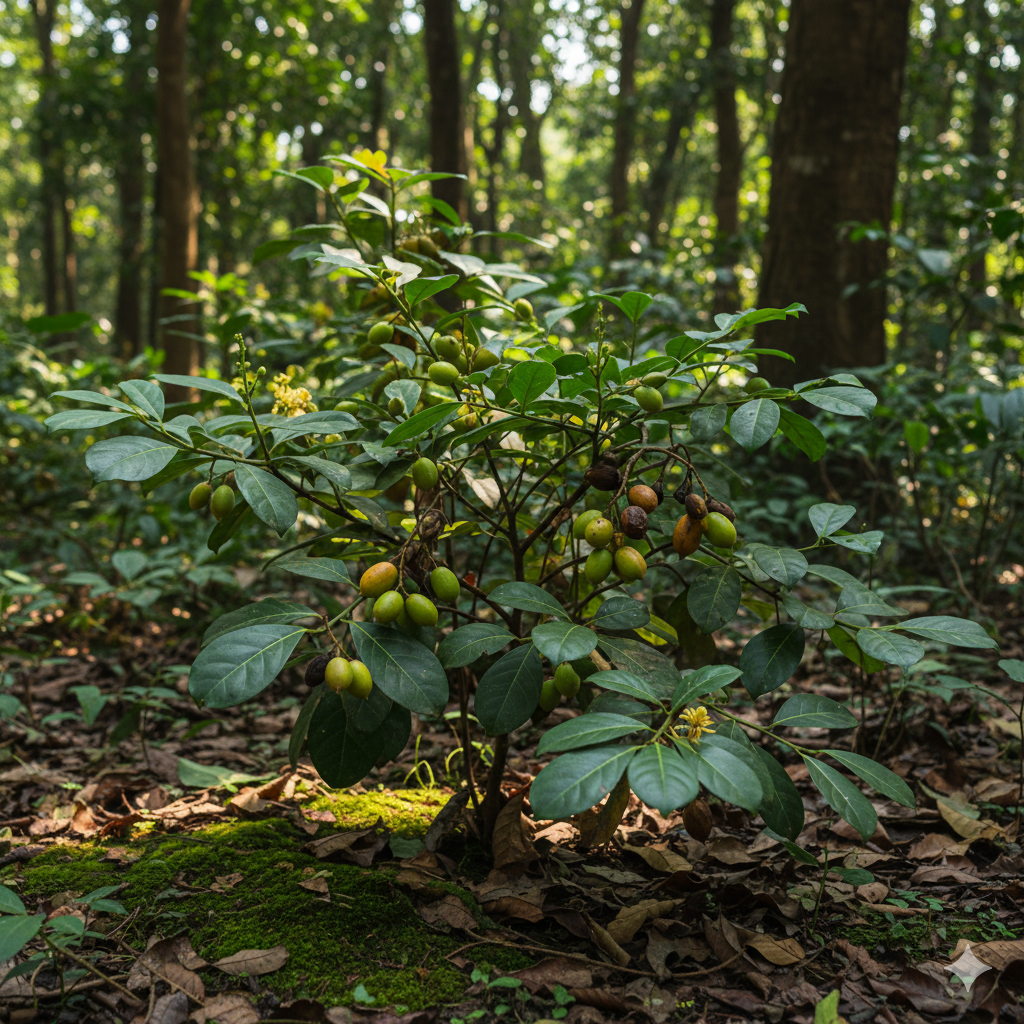
Triphala, meaning "three fruits," is one of the most important and commonly prescribed formulations in Ayurvedic medicine. It consists of equal parts of three dried fruits: Amalaki (Emblica officinalis/Amla), Bibhitaki (Terminalia bellirica), and Haritaki (Terminalia chebula). This time-tested combination has been used for over 1,000 years as a cornerstone of Ayurvedic therapeutics.
What makes Triphala unique is its tridoshic nature—it balances all three doshas (Vata, Pitta, and Kapha). Each of the three fruits contributes distinct therapeutic properties while working synergistically. The formula is gentle yet effective, making it suitable for long-term use as a daily health tonic.
Therapeutic Uses
Triphala is primarily known for its digestive and bowel-regulating properties. Unlike stimulant laxatives, it tones and strengthens the intestinal walls while promoting gentle, regular elimination. It is effective for both constipation and diarrhea, demonstrating a unique normalizing effect on bowel function. Regular use improves nutrient absorption and supports healthy gut microbiota.
As a Rasayana (rejuvenative), Triphala supports longevity and overall vitality. Its high antioxidant content, primarily from vitamin C and polyphenols, provides cellular protection and anti-aging benefits. The formula demonstrates hepatoprotective properties, supporting liver detoxification and regeneration.
For eye health, Triphala is traditionally used as an eye wash and taken internally to support vision. Rich in vitamin C and antioxidants, it may help prevent age-related eye degeneration. The Amalaki component is particularly beneficial for eye health.
Triphala exhibits anti-inflammatory, antimicrobial, and immune-modulating effects. Research shows activity against various pathogenic bacteria and fungi. It supports wound healing and has shown promise in dental health when used as a mouthwash for gingivitis and plaque.
The formula's gentle detoxifying action cleanses the entire digestive tract without depleting the body. It removes accumulated toxins (ama) while nourishing tissues. This makes it suitable for seasonal cleansing programs or daily maintenance.
How to Use
Powder Form: The traditional method involves taking 1/2 to 1 teaspoon of Triphala powder mixed with warm water before bed. For a gentler approach, mix the powder with honey or warm milk. Some prefer taking it in the morning on an empty stomach for detoxification.
Tablets/Capsules: More convenient for regular use. Typical dose: 1-2 tablets (500-1000 mg each), 1-2 times daily with warm water.
Tea: Steep 1/2 teaspoon powder in hot water for 5-10 minutes, strain, and drink. The taste is complex—sweet, sour, bitter, pungent, and astringent.
Eye Wash: Mix 1/4 teaspoon powder in a cup of boiled and cooled water, strain through fine cloth. Use with an eye cup or as directed by a practitioner. (Ensure sterile preparation.)
Timing: For constipation relief, take before bed. For weight management and detox, take in the morning on empty stomach. For general wellness, evening is preferred.
Dosage
- Powder: 3-6 grams (1/2 to 1 teaspoon) daily, usually in single evening dose
- Tablets: 1-2 tablets (500-1000 mg), 1-2 times daily
- For acute constipation: May increase to 6-10 grams temporarily
- Maintenance dose: 3-5 grams daily long-term
Effects on bowel regularity typically appear within 3-7 days. For chronic conditions and rejuvenation, use for minimum 3 months. Triphala can be used continuously with occasional short breaks (1 week off every 3 months).
Contraindications
While Triphala is generally very safe, certain populations should exercise caution. Pregnant and breastfeeding women should avoid it or use only under qualified supervision, as it has mild laxative effects.
Those with active diarrhea or dysentery should avoid use until the acute phase resolves. Individuals taking blood-thinning medications should consult healthcare providers, as Triphala may have mild anticoagulant properties.
Some individuals may experience temporary digestive upset, including loose stools, cramping, or gas when initiating Triphala. Starting with lower doses and gradually increasing usually prevents this. If diarrhea persists, discontinue use.
Rarely, allergic reactions may occur. Discontinue use if signs of allergy appear. Those with severe kidney disease should use under professional guidance.
Research and Evidence
Scientific research increasingly validates Triphala's traditional uses. A 2017 systematic review in Phytomedicine documented its antioxidant, anti-inflammatory, antibacterial, and immunomodulatory properties. The polyphenolic content, particularly gallic acid and ellagic acid, contributes to these effects.
Clinical trials demonstrate efficacy for constipation comparable to commercial laxatives but with added nutritive benefits. A study published in Alternative Therapies in Health and Medicine showed Triphala reduced constipation severity and improved quality of life.
Research on dental health shows Triphala mouthwash reduces plaque, gingivitis, and oral pathogens as effectively as chlorhexidine without side effects. Anti-cancer properties have been demonstrated in vitro, with selective cytotoxicity against cancer cells while protecting normal cells.
Animal studies confirm hepatoprotective effects against various toxins, with improvements in liver enzyme levels and histological parameters. Triphala's antioxidant capacity has been compared favorably to vitamin C and other standard antioxidants.
Human trials on metabolic effects show modest benefits for weight management, blood sugar regulation, and lipid profile improvements. The safety profile is excellent, with centuries of traditional use and modern studies showing minimal adverse effects at recommended doses.
Frequently Asked Questions
What is Triphala used for?
Triphala is used for digestive health and constipation, gentle detoxification, antioxidant and anti-aging benefits, eye health support, liver protection, immune modulation, and as a daily wellness tonic. It's one of the most important formulas in Ayurvedic medicine.
When should I take Triphala - morning or night?
For constipation relief, take before bed. For weight management and detox, take in morning on empty stomach. For general wellness, evening is traditionally preferred. Effects on bowel regularity typically appear within 3-7 days.
Can I take Triphala every day?
Yes, Triphala is safe for daily long-term use at 3-6g (1/2 to 1 teaspoon) powder or 1-2 tablets daily. It's gentle and tridoshic (balances all three doshas). Take occasional short breaks (1 week off every 3 months) for best results.
Is Triphala safe during pregnancy?
Pregnant and breastfeeding women should avoid Triphala or use only under qualified supervision, as it has mild laxative effects. Always consult your healthcare provider before use during pregnancy.