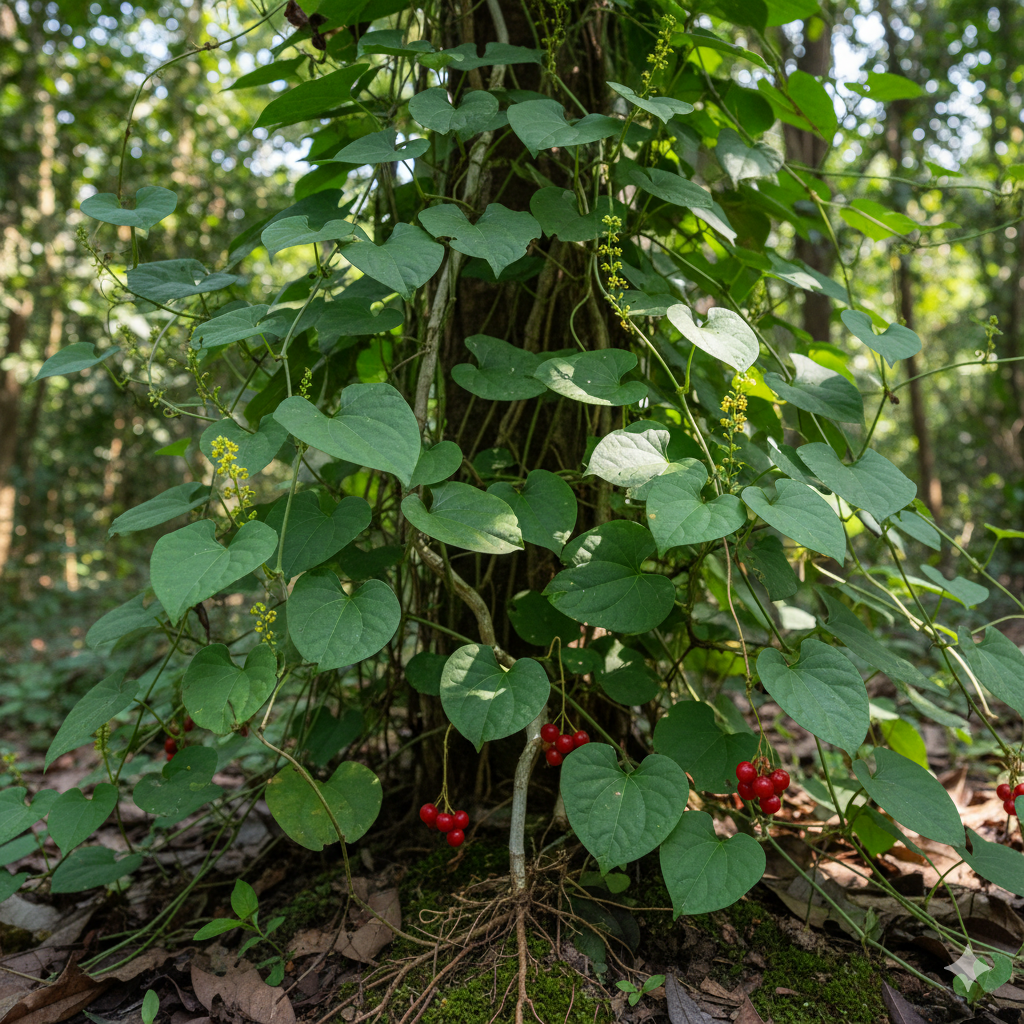
Amla (Indian Gooseberry)
Supreme rejuvenative fruit rich in vitamin C for immunity, vitality, and longevity.
Overview
Amla (Emblica officinalis), also known as Indian Gooseberry or Amalaki, is considered the supreme Rasayana (rejuvenative) in Ayurveda. The name Amalaki translates to "nurse" or "sustainer," reflecting its nourishing and life-supporting properties. This small, sour fruit has been revered for over 5,000 years as a tonic for health, longevity, and vitality.
Amla is one of the richest natural sources of vitamin C—containing 20-30 times more than oranges. However, its therapeutic value extends far beyond vitamin content. The fruit balances all three doshas, though it is particularly beneficial for Pitta. It possesses five of the six tastes, with sour (amla) predominating, contributing to its remarkable versatility.
Therapeutic Uses
Amla's immunomodulatory properties are exceptional. The high vitamin C content, combined with polyphenols and other antioxidants, significantly enhances immune function. Research shows increased antibody production, enhanced macrophage and natural killer cell activity, and improved resistance to infections. Regular consumption supports both preventive health and illness recovery.
As a Rasayana, Amla promotes longevity and vitality. It is one of the most powerful antioxidants in nature, protecting cells from free radical damage and oxidative stress. This provides anti-aging benefits, supporting healthy aging processes, skin health, hair quality, and overall energy. Traditional texts describe Amla as promoting youthfulness and preventing premature aging.
For digestive health, Amla is gentle yet effective. It enhances digestive fire without causing irritation, improves nutrient absorption, and supports healthy gut function. The fruit has mild laxative properties promoting regular elimination. It also protects the stomach lining and may benefit peptic ulcers through its cooling and healing properties.
Amla demonstrates significant hepatoprotective effects. It supports liver detoxification, protects against hepatotoxins, and promotes liver cell regeneration. Studies show increased antioxidant enzymes in the liver and improved liver function markers. This makes Amla valuable for liver health, alcohol-related liver damage, and general detoxification support.
For cardiovascular health, Amla shows promising benefits. It improves lipid profiles by reducing LDL cholesterol and triglycerides while increasing HDL. Blood pressure-lowering effects have been documented. The antioxidant properties protect against atherosclerosis and cardiovascular disease. Research indicates benefits for overall heart health when used consistently.
Amla is renowned for hair and eye health. Traditionally used to prevent premature graying, strengthen hair, and improve vision. The vitamin C and antioxidants support collagen formation and tissue health. Amla oil is a popular hair treatment in India, promoting growth and preventing hair loss.
How to Use
Fresh Fruit: Eating 1-2 fresh Amla fruits daily is ideal but availability is limited outside India. The sour taste can be intense; some sweeten with honey or salt.
Powder: 1/2 to 1 teaspoon (2-3 grams) of Amla powder with warm water, honey, or ghee twice daily. Can be added to smoothies or juices. The powder retains most of the vitamin C due to the fruit's unique tannin-vitamin C complex.
Juice: Fresh Amla juice (10-20 ml) diluted in water, taken in the morning on an empty stomach. Commercial Amla juice preparations are widely available.
Chyawanprash: A traditional jam-like preparation with Amla as the main ingredient, combined with numerous other herbs and honey. Take 1 teaspoon twice daily for general vitality and immunity.
Murabba: Candied Amla preserved in sugar syrup, making the sour taste more palatable. Eat 1-2 pieces daily.
Triphala: Amla is one-third of the Triphala formula, providing balanced rejuvenative effects when combined with Haritaki and Bibhitaki.
Hair Oil: Amla-infused oil applied to scalp and hair for hair health. Use 2-3 times weekly.
Dosage
- Fresh fruit: 1-2 fruits (10-20 grams) daily
- Powder: 2-6 grams daily
- Juice: 10-20 ml fresh juice, diluted
- Chyawanprash: 1 teaspoon twice daily
- Tablets: 500-1000 mg, 1-2 times daily
For immune support and general wellness, daily use is beneficial with no need for breaks. For specific therapeutic purposes, use for minimum 2-3 months. Amla can be used indefinitely as a Rasayana tonic.
Contraindications
Amla is remarkably safe with minimal contraindications. However, certain precautions apply. Individuals with extremely high Pitta or acid reflux may find the sour taste aggravating, though many with these conditions actually benefit. Start with small amounts and observe effects.
Those prone to kidney stones should exercise caution, as Amla contains oxalates. While not conclusively contraindicated, moderation is advisable with pre-existing stone history. Adequate hydration is important.
Amla may lower blood sugar levels. Diabetic patients on medication should monitor glucose when starting Amla, though it is generally beneficial for diabetes management. Medication adjustments may be necessary.
The fruit may have mild blood-thinning effects due to high vitamin C content. Those on anticoagulant medications should consult healthcare providers, though interactions are unlikely at typical doses.
Pregnant and breastfeeding women can generally use Amla safely in food amounts. Therapeutic doses should be discussed with healthcare providers, though traditional practice includes Amla during pregnancy as a nutritive tonic.
Research and Evidence
Amla is extensively researched with over 600 published studies documenting diverse health benefits. The vitamin C content is unique—bound in tannin complexes that make it heat-stable and preserve it during processing, unlike most vitamin C sources.
Antioxidant capacity is exceptional and well-documented. Multiple studies show Amla's free radical scavenging activity exceeds many synthetic antioxidants. The synergistic effects of vitamin C, polyphenols, tannins, and flavonoids contribute to this potency.
Immune-enhancing effects have been validated in human trials. A 2015 study showed significant improvements in immune markers with 12 weeks of Amla supplementation. Enhanced antibody response to vaccines and improved recovery from infections have been documented.
Cardiovascular research shows consistent benefits. A 2019 meta-analysis confirmed significant reductions in LDL cholesterol and triglycerides with Amla supplementation. Endothelial function improvements and blood pressure reductions have been observed in clinical trials.
Hepatoprotective effects are well-established in animal models and human studies. Amla protects against various hepatotoxins including alcohol, paracetamol, and environmental toxins. Improvements in liver enzymes and liver function have been demonstrated in patients with fatty liver disease.
Antidiabetic effects have been shown in multiple trials, with improvements in fasting glucose, HbA1c, and insulin sensitivity. The mechanisms involve enhanced insulin secretion and improved glucose uptake.
Neuroprotective and cognitive benefits have been demonstrated in animal studies, showing improved memory and reduced age-related cognitive decline. Human trials are ongoing but preliminary results are encouraging.
Anticancer properties have been extensively studied in vitro, showing selective cytotoxicity against various cancer cell lines while protecting normal cells. Clinical applications are being explored.
Safety studies indicate excellent tolerability with no serious adverse effects at therapeutic doses. Toxicity studies show no harm even at very high doses. Amla is recognized as safe for long-term daily use with centuries of traditional validation.
Frequently Asked Questions
What is Amla good for?
Amla is excellent for boosting immunity, promoting longevity and vitality, supporting liver health, improving cardiovascular function, enhancing hair and skin health, and providing powerful antioxidant protection. It's one of the richest natural sources of vitamin C.
Can I take Amla every day?
Yes, Amla can be taken daily as a Rasayana tonic for overall health. Traditional and modern use supports long-term daily consumption with no need for breaks. Typical dose is 2-6g powder or 1-2 fresh fruits daily.
Is Amla safe during pregnancy?
Amla is generally safe during pregnancy in food amounts and is traditionally used as a nutritive tonic. However, therapeutic doses should be discussed with a healthcare provider. It's considered nourishing and supportive for maternal health.
How long does it take for Amla to work?
For immune support and general wellness, benefits may be noticed within 2-4 weeks. For specific therapeutic purposes like cardiovascular health or liver support, use for a minimum of 2-3 months for optimal results.