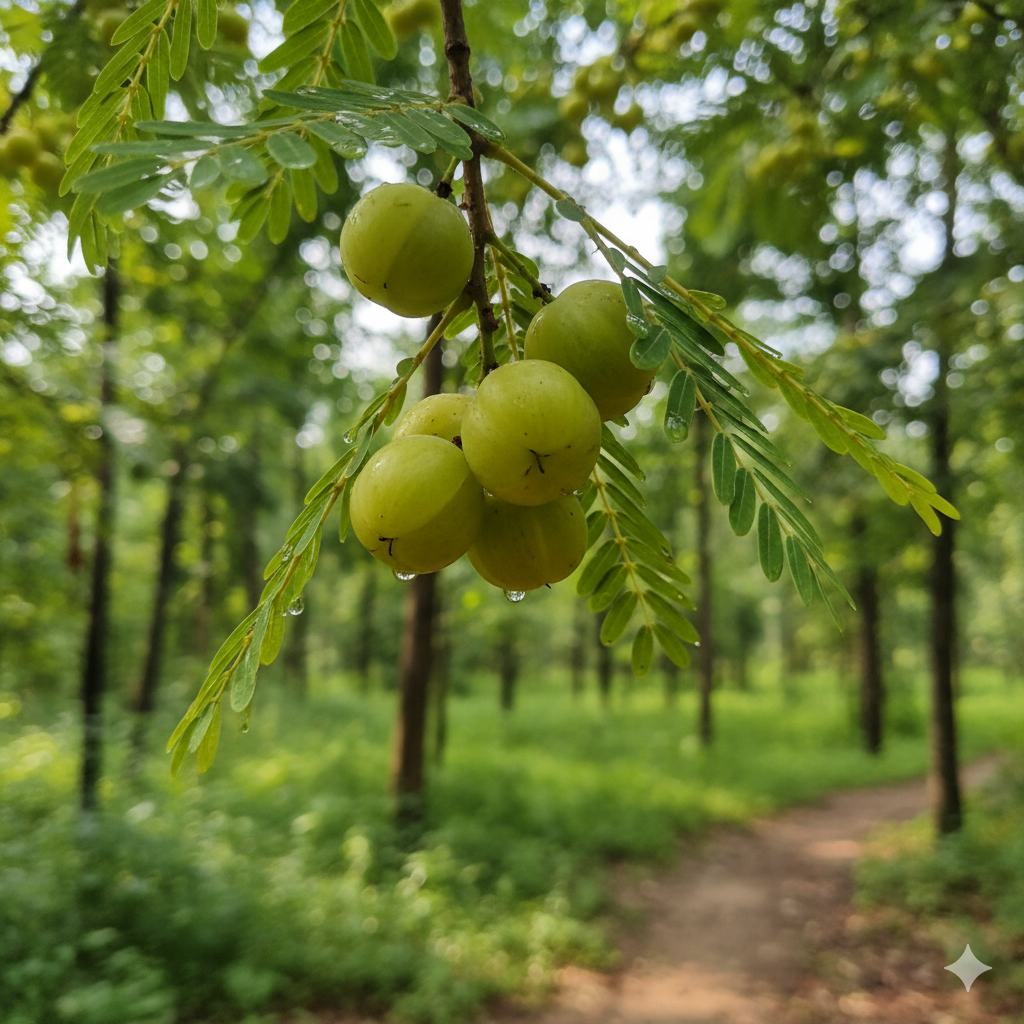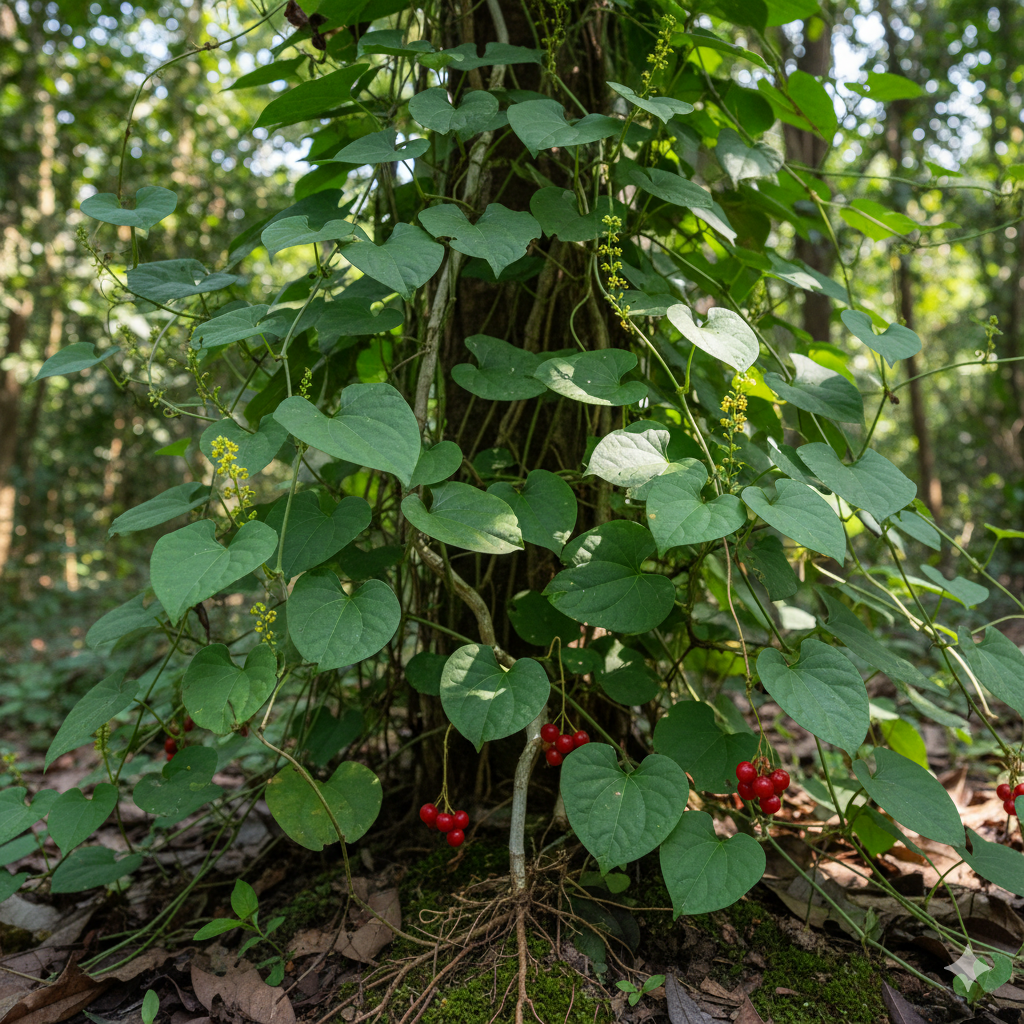
Ashwagandha (Winter Cherry)
Premier adaptogenic herb for stress, vitality, strength, and longevity.
Overview
Ashwagandha (Withania somnifera), meaning "smell of horse" in Sanskrit, is one of the most important herbs in Ayurvedic medicine. The name refers both to the root's equine-like odor and to the herb's reputed ability to impart the strength and vitality of a horse. Classified as a Rasayana (rejuvenative) herb, Ashwagandha promotes longevity, enhances memory, and improves overall health.
The root is the primary medicinal part, though leaves and berries are also used. Native to India, the Middle East, and parts of Africa, this small shrub with yellow flowers and red berries has been central to Ayurvedic practice for over 3,000 years. It primarily balances Vata and Kapha doshas while calming Pitta when used appropriately.
Therapeutic Uses
As a premier adaptogen, Ashwagandha helps the body adapt to stress by modulating the hypothalamic-pituitary-adrenal (HPA) axis. It reduces cortisol levels, particularly in chronically stressed individuals. Clinical studies demonstrate significant reductions in stress and anxiety scores, with improvements in sleep quality and overall well-being.
The herb's neuroprotective properties support cognitive function and mental clarity. Research shows benefits for memory, executive function, attention, and information processing speed. Ashwagandha promotes neuronal regeneration and protects against neurodegenerative processes through its antioxidant and anti-inflammatory mechanisms.
For physical performance, Ashwagandha enhances strength, muscle mass, and endurance. Studies with athletes show significant improvements in VO2 max, muscle recovery, and power output. It supports healthy testosterone levels in men and may improve reproductive health in both sexes.
The immunomodulatory effects of Ashwagandha enhance immune function without overstimulation. It increases white blood cell counts, enhances natural killer cell activity, and improves antibody response. This makes it valuable for immune support during illness recovery and for general health maintenance.
How to Use
Powder (Churna): The traditional method is consuming 1-2 teaspoons (3-6 grams) of Ashwagandha root powder mixed with warm milk, ghee, and honey before bed. This promotes restful sleep and rejuvenation. Can also be taken with warm water in the morning for energy.
Capsules/Tablets: Standardized extracts (typically to withanolide content) are convenient. Common dose: 300-600 mg of extract, 1-2 times daily.
Decoction: Boil 1 tablespoon of root powder in 2 cups water, reduce to 1 cup. Consume 50-100 ml twice daily.
Ghee Preparation: For enhanced absorption and nourishing effects, Ashwagandha is traditionally processed in ghee (Ashwagandha Ghrita).
Combination Formulas: Often combined with other Rasayanas like Shatavari, Guduchi, or Brahmi for synergistic effects.
Dosage
- Root powder: 3-6 grams daily, typically 1-2 teaspoons
- Standardized extract (5% withanolides): 300-600 mg twice daily
- Tincture (1:2): 2-4 ml, 2-3 times daily
For stress and anxiety, effects may be noticed within 2-4 weeks, with optimal benefits after 8-12 weeks of consistent use. For strength and muscle building, 8-12 weeks minimum. As a Rasayana, it can be used long-term with periodic breaks (e.g., 3 months on, 1 month off).
Contraindications
Ashwagandha is generally safe but should be avoided in certain conditions. Pregnant women should not use it, as it may cause miscarriage due to its abortifacient properties in high doses. Safety during lactation is not well-established; consult a healthcare provider.
Those with hyperthyroidism should use caution, as Ashwagandha may increase thyroid hormone levels. However, it may benefit hypothyroidism. Regular monitoring of thyroid function is advised.
The herb may enhance the effects of sedative medications, immunosuppressants, and thyroid medications. Those on such medications should consult healthcare providers before use. Discontinue use two weeks before surgery due to potential interactions with anesthesia.
Autoimmune conditions may theoretically be aggravated due to immune-enhancing effects, though clinical evidence is limited. Use under professional guidance in such cases.
Research and Evidence
Ashwagandha is among the most researched Ayurvedic herbs, with over 300 clinical studies. A 2019 systematic review in Cureus confirmed significant anxiolytic effects, with reductions in anxiety scales comparable to pharmaceutical anxiolytics.
Multiple randomized controlled trials demonstrate stress reduction. A landmark 2012 study in the Indian Journal of Psychological Medicine showed 44% reduction in perceived stress scores and 27.9% reduction in serum cortisol levels over 60 days.
For physical performance, a 2015 study in the Journal of the International Society of Sports Nutrition found significant increases in muscle mass, strength (bench press and leg extension), and testosterone levels in resistance-trained men supplementing with Ashwagandha.
Neuroprotective effects have been demonstrated in animal models of Alzheimer's, Parkinson's, and Huntington's diseases. Human trials show cognitive improvements in mild cognitive impairment. The withanolides, particularly withaferin A and withanolide D, are considered the primary bioactive compounds.
Safety studies indicate excellent tolerability at recommended doses, with no serious adverse events reported in clinical trials. Long-term use studies (up to 6 months) show sustained benefits without tolerance development.
Frequently Asked Questions
What is Ashwagandha used for?
Ashwagandha is primarily used as an adaptogen for stress relief, anxiety reduction, improving energy and vitality, enhancing cognitive function, supporting immune health, and promoting physical strength and muscle recovery.
Is Ashwagandha safe to take daily?
Yes, Ashwagandha is generally safe for daily use at recommended doses (300-600mg extract or 3-6g root powder). It's traditionally used long-term with periodic breaks (e.g., 3 months on, 1 month off). However, pregnant women and those with hyperthyroidism should avoid it.
How long does it take for Ashwagandha to work?
Effects vary by purpose: stress and anxiety relief may be noticed within 2-4 weeks, with optimal benefits after 8-12 weeks. For physical strength and muscle building, expect results after 8-12 weeks of consistent use.
What are the side effects of Ashwagandha?
Ashwagandha is well-tolerated at recommended doses. Mild side effects may include digestive upset, drowsiness, or headache. Avoid if pregnant, nursing, or have hyperthyroidism. Consult a healthcare provider before use if on medications.