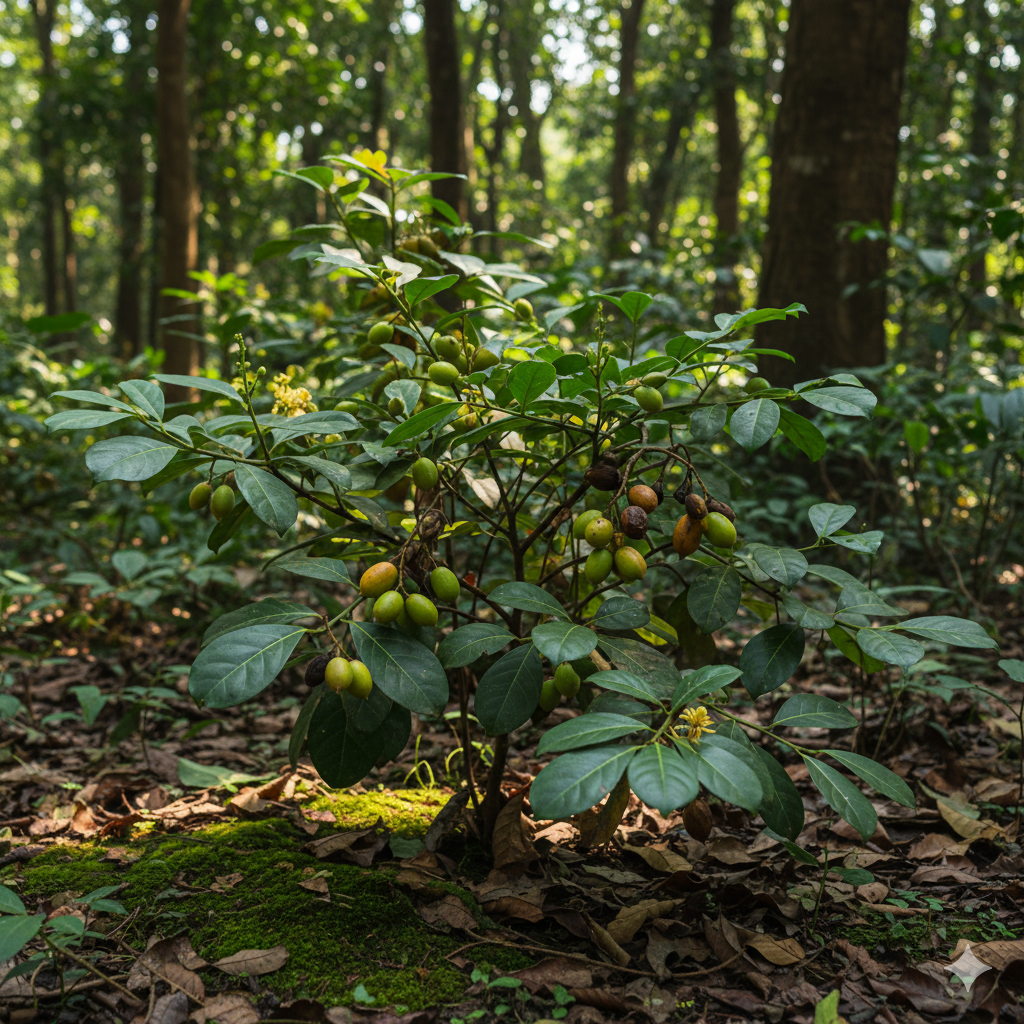
Shatavari (Asparagus)
Premier female tonic for reproductive health, digestion, and rejuvenation.
Overview
Shatavari (Asparagus racemosus) is Ayurveda's premier herb for women's health and reproductive vitality. The name Shatavari translates to "she who possesses a hundred husbands," referring to the herb's traditional use for enhancing female fertility, vitality, and sexual health. This climbing plant with tuberous roots has been used in Indian medicine for over 3,000 years as a Rasayana specifically targeting the female reproductive system.
The root is the medicinal part, typically used dried and powdered. Shatavari primarily balances Vata and Pitta doshas while slightly increasing Kapha. Its sweet (madhura) and bitter (tikta) tastes combined with cooling (sheeta) potency make it ideal for inflammatory conditions and tissue nourishment. While traditionally associated with women's health, Shatavari benefits men as well, particularly for reproductive and digestive health.
Therapeutic Uses
Shatavari's primary application is women's reproductive health. It supports all life stages—regulating menstrual cycles, enhancing fertility, nourishing during pregnancy (under guidance), promoting lactation postpartum, and easing menopausal transitions. The herb's phytoestrogens provide gentle hormonal balancing without the risks of synthetic hormones. Research confirms benefits for menstrual irregularities, PMS, and menopausal symptoms.
As a galactagogue, Shatavari promotes breast milk production in nursing mothers. Clinical studies demonstrate significant increases in milk production and quality with Shatavari supplementation. The herb nourishes both mother and infant, supporting postpartum recovery while providing nutritive benefits through breast milk.
For digestive health, Shatavari soothes and heals the gastrointestinal tract. Its demulcent properties coat and protect irritated tissues, making it valuable for ulcers, gastritis, and inflammatory bowel conditions. The herb enhances digestive fire without aggravating Pitta, improving nutrient absorption. Its cooling nature benefits inflammatory digestive conditions.
Shatavari demonstrates adaptogenic properties, helping the body cope with stress. It modulates cortisol levels and supports adrenal function without overstimulation. The herb provides calming effects while enhancing energy and stamina. This makes it valuable for stress-related conditions, anxiety, and fatigue—particularly when combined with reproductive or digestive symptoms.
The immunomodulatory effects of Shatavari enhance overall immune function. Research shows increased antibody production and improved immune cell activity. The herb's antioxidant properties provide cellular protection and support healthy aging. For respiratory health, Shatavari's cooling and soothing properties benefit chronic dry cough and lung inflammation.
How to Use
Powder (Churna): Traditional dose is 1/2 to 1 teaspoon (3-6 grams) of Shatavari powder mixed with warm milk, ghee, and honey twice daily. Milk enhances absorption and complements the herb's nutritive properties. Can also be mixed with warm water.
Capsules/Tablets: Standardized extracts are convenient. Common dose: 500-1000 mg, 1-2 times daily.
Decoction: Boil 1 tablespoon of Shatavari root powder in 2 cups milk or water, reduce to 1 cup. Consume warm, typically in evening. The milk decoction is preferred for reproductive and nutritive effects.
Shatavari Ghrita: A medicated ghee preparation combines Shatavari with ghee for enhanced efficacy in reproductive disorders. Prepared traditionally or available commercially.
Combination Formulas: Often combined with Ashwagandha for stress and energy, with Licorice for digestive health, or with women's tonic formulas.
During Lactation: For milk production, take 1 teaspoon powder with warm milk 2-3 times daily, beginning postpartum once milk production is established.
Dosage
- Root powder: 3-6 grams daily, divided into 2 doses
- Capsules: 500-1000 mg, 1-2 times daily
- Decoction: 1/2 to 1 cup twice daily
- Tincture (1:3): 2-4 ml, 2-3 times daily
For menstrual regulation, use consistently for minimum 3 months. For fertility support, 3-6 months. For lactation, effects typically appear within 3-7 days. As a Rasayana, Shatavari can be used long-term with periodic breaks (e.g., 3 months on, 1 month off).
Contraindications
While generally safe, Shatavari requires certain precautions. Those with estrogen-sensitive conditions (breast cancer, uterine fibroids, endometriosis) should consult healthcare providers before use due to phytoestrogenic effects. While not conclusively contraindicated, professional guidance is appropriate.
Individuals with kidney disorders should exercise caution, as Shatavari may affect kidney function. Those with kidney stones should use under professional supervision, though traditional practice sometimes includes Shatavari for urinary health.
The herb may interact with diuretic medications due to its own mild diuretic properties. Those on such medications should consult healthcare providers. Similarly, caution with medications metabolized by cytochrome P450 enzymes.
Pregnant women should use Shatavari only under qualified guidance. While traditionally used during pregnancy as a nutritive tonic in later stages, safety in early pregnancy is not well-established. Professional supervision is essential.
Rare allergic reactions may occur, particularly in individuals allergic to asparagus family plants. Discontinue use if signs of allergy appear. Some individuals may experience mild gastrointestinal upset; start with lower doses.
Research and Evidence
Scientific research on Shatavari has expanded significantly, with over 200 published studies. A 2018 review in Biomedicine & Pharmacotherapy documented extensive pharmacological effects including adaptogenic, immunomodulatory, galactag ogue, and reproductive health benefits.
Clinical trials on lactation demonstrate significant increases in milk production. A 2016 study showed Shatavari supplementation increased breast milk volume by 32% compared to placebo, with improved infant weight gain and maternal satisfaction.
Research on menopausal symptoms shows Shatavari reduces hot flashes, night sweats, and mood disturbances. A 2018 clinical trial found significant improvements in menopausal quality of life scores with 12 weeks of Shatavari supplementation comparable to hormone replacement therapy but with better safety profile.
The phytoestrogens in Shatavari, particularly steroidal saponins (shatavarins), provide gentle estrogenic effects. Unlike synthetic hormones, these plant compounds selectively bind to estrogen receptors, providing benefits without risks. Research shows no adverse effects on hormone-sensitive tissues at therapeutic doses.
Immunomodulatory effects have been confirmed in multiple studies showing enhanced antibody production and immune cell function. Antioxidant capacity is well-documented with significant free radical scavenging activity.
Gastroprotective effects have been demonstrated in animal studies, with Shatavari protecting against ulcer formation and promoting healing of existing ulcers. The mechanisms involve increased mucus production and antioxidant protection.
Safety studies indicate excellent tolerability at recommended doses. No serious adverse events have been reported in clinical trials. Long-term use studies (up to 12 months) show sustained benefits without tolerance development or adverse effects.
Frequently Asked Questions
What is Shatavari used for?
Shatavari is primarily used for women's reproductive health (menstrual regulation, fertility, menopausal support), increasing breast milk production in nursing mothers, digestive health (ulcers, gastritis), stress and adaptogenic support, and immune enhancement. Men also benefit for reproductive and digestive health.
Does Shatavari increase breast milk?
Yes, Shatavari is a powerful galactagogue that promotes breast milk production. Clinical studies show a 32% increase in milk volume compared to placebo. Take 1 teaspoon powder with warm milk 2-3 times daily postpartum. Effects typically appear within 3-7 days.
Can I take Shatavari for menopause?
Yes, Shatavari is excellent for menopausal symptoms. Its phytoestrogens reduce hot flashes, night sweats, and mood disturbances. Studies show improvements comparable to hormone replacement therapy but with better safety profile. Use 3-6g daily for minimum 3 months.
Is Shatavari safe with breast cancer history?
Caution advised. Those with estrogen-sensitive conditions (breast cancer, uterine fibroids, endometriosis) should consult healthcare providers before use due to phytoestrogenic effects. While not conclusively contraindicated, professional guidance is appropriate.