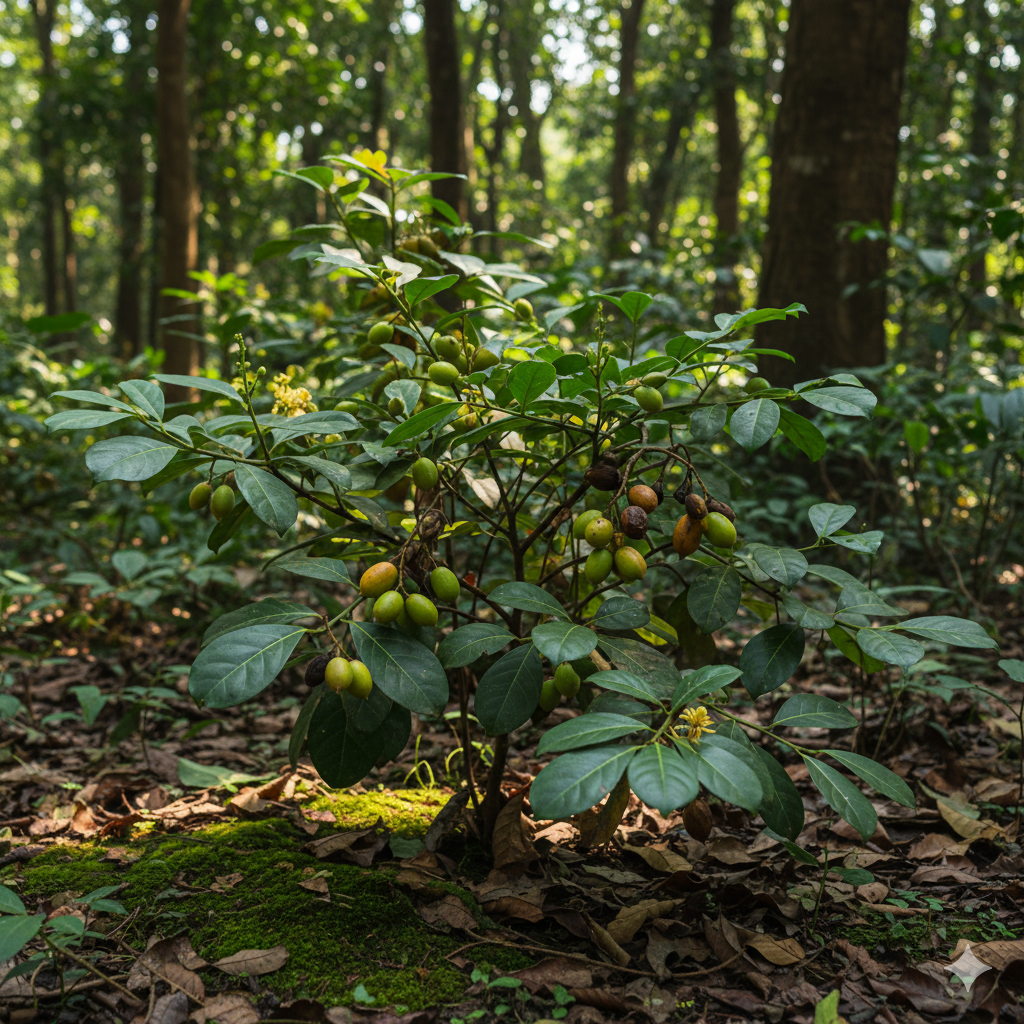
Pippali (Long Pepper)
Powerful digestive and respiratory herb that enhances absorption of other herbs.
Overview
Pippali (Piper longum), also known as Long Pepper, is a cornerstone herb in Ayurvedic medicine, particularly valued for its ability to enhance digestive fire (Agni) and improve respiratory function. The fruit is the medicinal part, used dried and ground. Pippali is a key ingredient in Trikatu (three pungents) formula and numerous classical preparations.
In Ayurveda, Pippali primarily balances Vata and Kapha doshas. Its pungent (katu) taste with sweet (madhura) post-digestive effect and heating (ushna) potency make it unique among pungent herbs—it stimulates without aggravating Pitta when used appropriately. Pippali is classified as Yogavahi, meaning it enhances the effectiveness of other herbs and increases their bioavailability.
Therapeutic Uses
Pippali's most important property is enhancing bioavailability. The compound piperine significantly increases absorption of nutrients and herbal compounds. This is why Pippali is combined with turmeric (enhances curcumin absorption by 2000%), Brahmi, and other herbs. It improves drug delivery and therapeutic efficacy of co-administered substances.
For respiratory conditions, Pippali is unsurpassed in Ayurveda. It's a powerful expectorant that loosens mucus and clears airways. Traditionally used for asthma, chronic bronchitis, and productive cough. The herb's bronchodilatory effects improve lung function and breathing capacity. Unlike some respiratory stimulants, Pippali is gentle and suitable for long-term use.
Pippali strengthens digestive fire without irritation. It stimulates enzyme secretion, improves appetite, and enhances nutrient absorption. Valuable for weak digestion, malabsorption, and low appetite. The heating property counters cold, sluggish digestion common in Vata and Kapha imbalances.
As a Rasayana (rejuvenative), Pippali supports longevity and vitality. It strengthens reproductive tissue and is used in formulas for fertility and virility. Traditional texts describe it as promoting Ojas (vital essence) and enhancing overall strength.
Pippali demonstrates antimicrobial and antiparasitic properties. Effective against intestinal parasites and pathogenic bacteria. The herb's heating nature creates an unfavorable environment for many pathogens in the digestive tract.
For metabolic support, Pippali enhances fat metabolism and reduces ama (toxins). It's included in weight management formulas and metabolic enhancement protocols. The thermogenic properties support healthy metabolism without excessive stimulation.
How to Use
Powder: 1/4 to 1/2 teaspoon (500 mg-1 gram) of Pippali powder with honey, ghee, or warm water. For respiratory issues, mix with honey. For digestion, take before meals with warm water.
Trikatu Formula: Combines equal parts Pippali, black pepper, and dry ginger. This classical formula is more potent than Pippali alone. Dose: 1/4 to 1/2 teaspoon twice daily.
With Other Herbs: Add pinch of Pippali to turmeric, Brahmi, or other herbs to enhance their absorption and effectiveness.
Milk Decoction: Boil 1/4 teaspoon Pippali in 1 cup milk with a pinch of turmeric. Excellent for respiratory conditions and as a tonic.
Tablets: Pippali tablets typically contain 250-500 mg. Take 1-2 tablets twice daily.
Combinations: With honey for respiratory issues. With ghee for fertility and rejuvenation. In Trikatu for digestive fire. With Ashwagandha and Shatavari for reproductive health.
Dosage
- Powder: 500 mg-2 grams daily in divided doses
- For bioavailability enhancement: 5-10 mg piperine (standardized extract)
- Trikatu: 250 mg-1 gram twice daily
- Respiratory conditions: 1-2 grams daily for 2-3 months
- Maximum safe dose: 3 grams daily
Pippali is potent; start with lower doses and increase gradually. Effects are often immediate for digestion but respiratory benefits require consistent use for several weeks.
Contraindications
Pippali is generally safe but requires precautions due to its heating nature. Those with excess Pitta conditions (hyperacidity, ulcers, inflammation) should use cautiously or avoid. Can aggravate heartburn and gastritis in sensitive individuals.
Pregnant women should avoid therapeutic doses, especially in first trimester, due to its heating and stimulating properties. Small culinary amounts are generally safe.
Those with bleeding disorders should use cautiously as Pippali may have mild blood-thinning effects. Discontinue two weeks before surgery.
May interact with various medications by increasing their absorption. Those on medications with narrow therapeutic windows (like lithium, anticoagulants, anti-epileptics) should consult healthcare providers before use. Dosage adjustments may be necessary.
High doses may cause gastrointestinal irritation, burning sensation, or diarrhea. Always start with small amounts. Taking with ghee or milk reduces potential irritation.
Those with inflammatory skin conditions may find Pippali aggravates symptoms due to its heating nature.
Research and Evidence
Scientific research confirms many traditional uses of Pippali. The compound piperine has been extensively studied for bioavailability enhancement. A landmark study showed piperine increases curcumin bioavailability by 2000%—explaining the traditional combination of turmeric with Pippali.
Respiratory benefits are validated by studies showing bronchodilatory effects and improved lung function in asthma models. Pippali extracts demonstrate anti-allergic properties and reduced airway inflammation. Clinical trials in chronic bronchitis show reduced cough frequency and improved sputum clearance.
Antimicrobial research confirms activity against various bacteria, fungi, and parasites. Pippali shows particular efficacy against intestinal pathogens and respiratory bacteria. The alkaloid piperine contributes to these effects.
Metabolic studies demonstrate enhanced thermogenesis and fat metabolism. Pippali increases metabolic rate and improves lipid profiles in animal studies. Human trials on weight management show modest but significant benefits when combined with dietary modifications.
Hepatoprotective properties have been documented, with Pippali protecting against drug-induced and toxin-induced liver damage. This is important given its use as bioavailability enhancer—it protects the liver while increasing drug absorption.
Safety studies indicate low toxicity at therapeutic doses. The main concerns are gastrointestinal irritation at high doses and potential drug interactions due to enhanced absorption. No serious adverse events reported in traditional use or modern clinical trials at recommended doses.
Frequently Asked Questions
What is Pippali used for?
Pippali is used for respiratory conditions (asthma, bronchitis, cough), enhancing digestion and metabolism, increasing bioavailability of other herbs (especially turmeric), supporting reproductive health, and as an antimicrobial. It's a key ingredient in Trikatu formula.
How does Pippali enhance turmeric absorption?
Pippali contains piperine which increases curcumin (turmeric's active compound) absorption by 2000%. This is why traditional Ayurvedic practice combines turmeric with black pepper or Pippali. Just 5-10mg piperine significantly boosts bioavailability.
Can I take Pippali daily?
Yes, Pippali can be taken daily at 500mg-2g. Start with lower doses and increase gradually. It's potent and heating, so those with excess Pitta (hyperacidity, inflammation) should use cautiously. Respiratory benefits require consistent use for several weeks.
Is Pippali safe during pregnancy?
Pregnant women should avoid therapeutic doses of Pippali, especially in the first trimester, due to its heating and stimulating properties. Small culinary amounts are generally safe. Always consult a healthcare provider during pregnancy.