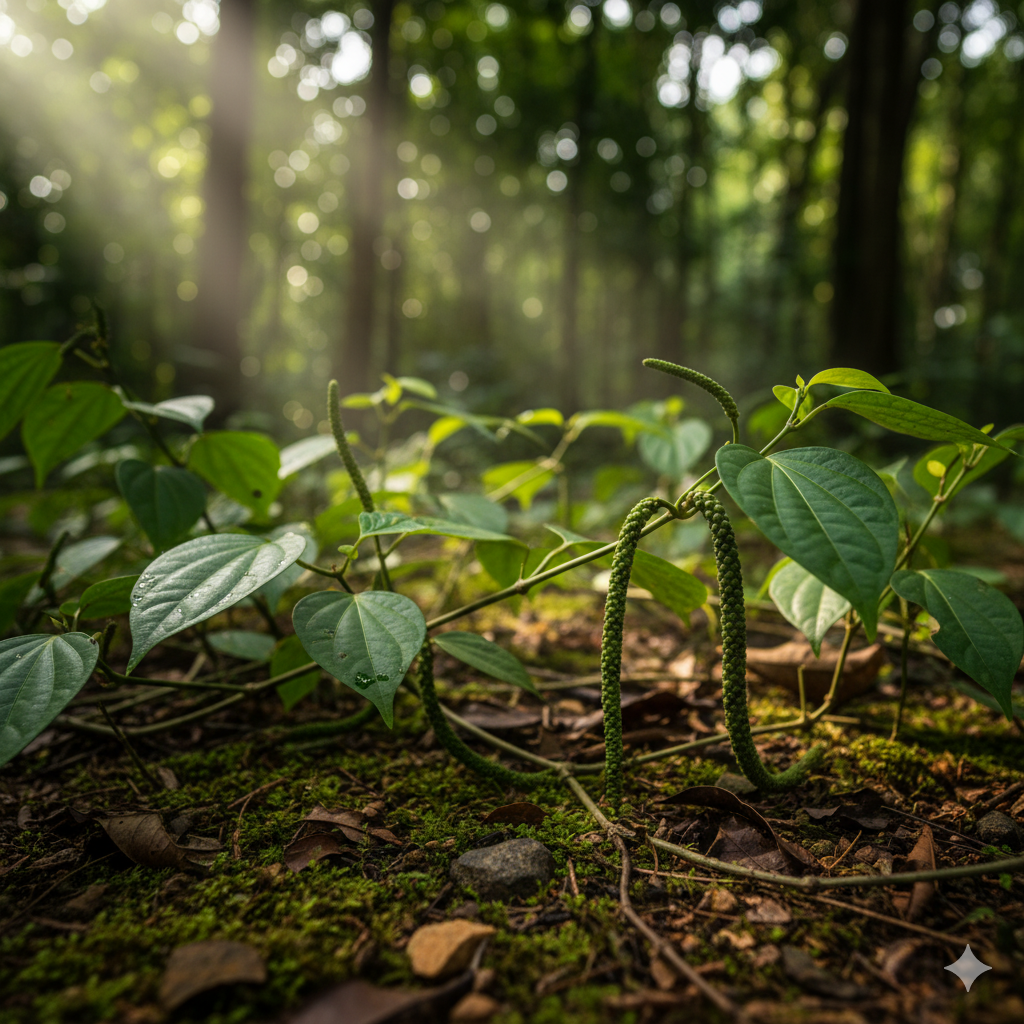
Tulsi (Holy Basil)
Sacred adaptogenic herb used for respiratory health, immunity, and stress.
Overview
Tulsi (Ocimum sanctum), also known as Holy Basil, is one of the most revered plants in Ayurveda and Hindu culture. Considered the "Queen of Herbs," Tulsi has been used for thousands of years for its remarkable therapeutic properties. The plant is native to the Indian subcontinent and thrives throughout Southeast Asia.
In Ayurvedic medicine, Tulsi is classified as a Rasayana—a rejuvenating herb that promotes longevity and enhances overall vitality. It is tridoshic, meaning it balances Vata, Pitta, and Kapha doshas, though it is particularly effective in reducing Kapha. The leaves, stems, and seeds are all used medicinally, with the leaves being the most commonly utilized part.
Therapeutic Uses
Tulsi demonstrates broad-spectrum antimicrobial activity against various bacteria, viruses, fungi, and parasites. Research has confirmed its effectiveness against respiratory pathogens, making it a staple remedy for colds, flu, bronchitis, and asthma. The herb's eugenol content provides powerful anti-inflammatory and analgesic effects.
As an adaptogen, Tulsi helps the body cope with physical, chemical, and psychological stress. It modulates cortisol levels and supports adrenal function. Clinical studies have shown that regular consumption of Tulsi can reduce anxiety, improve cognitive function, and enhance stamina.
The immunomodulatory properties of Tulsi strengthen the body's natural defense mechanisms. It increases the production of antibodies and enhances the activity of T-helper cells and natural killer cells. This makes it valuable for both preventing infections and supporting recovery from illness.
How to Use
Fresh Leaves: Chew 2-3 fresh Tulsi leaves daily on an empty stomach for general wellness and immunity. This is the traditional method practiced in India.
Tea (Kashayam): Boil 10-15 fresh or 5-7 dried leaves in 2 cups of water, reduce to 1 cup, strain, and drink. Add honey and ginger for enhanced benefits. This decoction is particularly effective for respiratory conditions.
Powder: Take 1/4 to 1/2 teaspoon of dried Tulsi leaf powder mixed with honey or warm water, twice daily.
Tincture: 2-4 ml of 1:2 hydroalcoholic extract, 2-3 times daily.
Essential Oil: For aromatherapy and topical applications (diluted), though internal use should be under professional guidance.
Dosage
- Fresh leaves: 2-5 leaves daily
- Dried powder: 1-3 grams per day
- Decoction: 50-100 ml twice daily
- Tincture (1:2): 2-4 ml, 2-3 times daily
For therapeutic purposes during acute illness, dosages may be higher and should be determined by a qualified practitioner. Treatment duration typically ranges from 4-12 weeks for chronic conditions.
Contraindications
While generally safe, Tulsi has mild anticoagulant properties and should be used cautiously by individuals on blood-thinning medications. Pregnant women should avoid therapeutic doses, though culinary amounts are considered safe. The herb may lower blood sugar levels; diabetic patients should monitor glucose levels when using Tulsi regularly.
Tulsi may affect fertility in males when used in very high doses over extended periods, though this requires further research confirmation. Those scheduled for surgery should discontinue use at least two weeks prior due to its effects on blood clotting.
Research and Evidence
Modern scientific research has validated many traditional uses of Tulsi. Studies published in peer-reviewed journals have demonstrated its antimicrobial, anti-inflammatory, hepatoprotective, and cardioprotective effects. The phytochemical profile includes eugenol, ursolic acid, rosmarinic acid, and various flavonoids that contribute to its therapeutic actions.
A 2017 systematic review confirmed Tulsi's efficacy in metabolic syndrome management, showing improvements in blood glucose, lipid profile, and blood pressure. Its antioxidant capacity is well-documented, with research indicating significant free radical scavenging activity comparable to synthetic antioxidants.
Frequently Asked Questions
What are the benefits of Tulsi?
Tulsi provides antimicrobial protection (against bacteria, viruses, fungi), respiratory health support (colds, flu, asthma), stress reduction and adaptogenic benefits, immune system enhancement, anti-inflammatory effects, and overall vitality. It's known as the 'Queen of Herbs.'
How should I take Tulsi daily?
The traditional method is chewing 2-3 fresh leaves daily on an empty stomach. Alternatively, drink Tulsi tea made by boiling 10-15 fresh or 5-7 dried leaves in water. You can also take 1-3g dried powder with honey or water twice daily.
Is Tulsi safe during pregnancy?
Pregnant women should avoid therapeutic doses of Tulsi, though culinary amounts are considered safe. The herb has mild anticoagulant properties and traditional caution is advised. Consult a healthcare provider before use during pregnancy.
Can Tulsi help with colds and flu?
Yes, Tulsi is highly effective for respiratory infections due to its antiviral, antibacterial, and anti-inflammatory properties. Drink Tulsi tea with ginger and honey 2-3 times daily during illness for symptom relief and faster recovery.