Vasa (Malabar Nut)
Powerful respiratory herb for asthma, bronchitis, cough, and lung health.
Overview
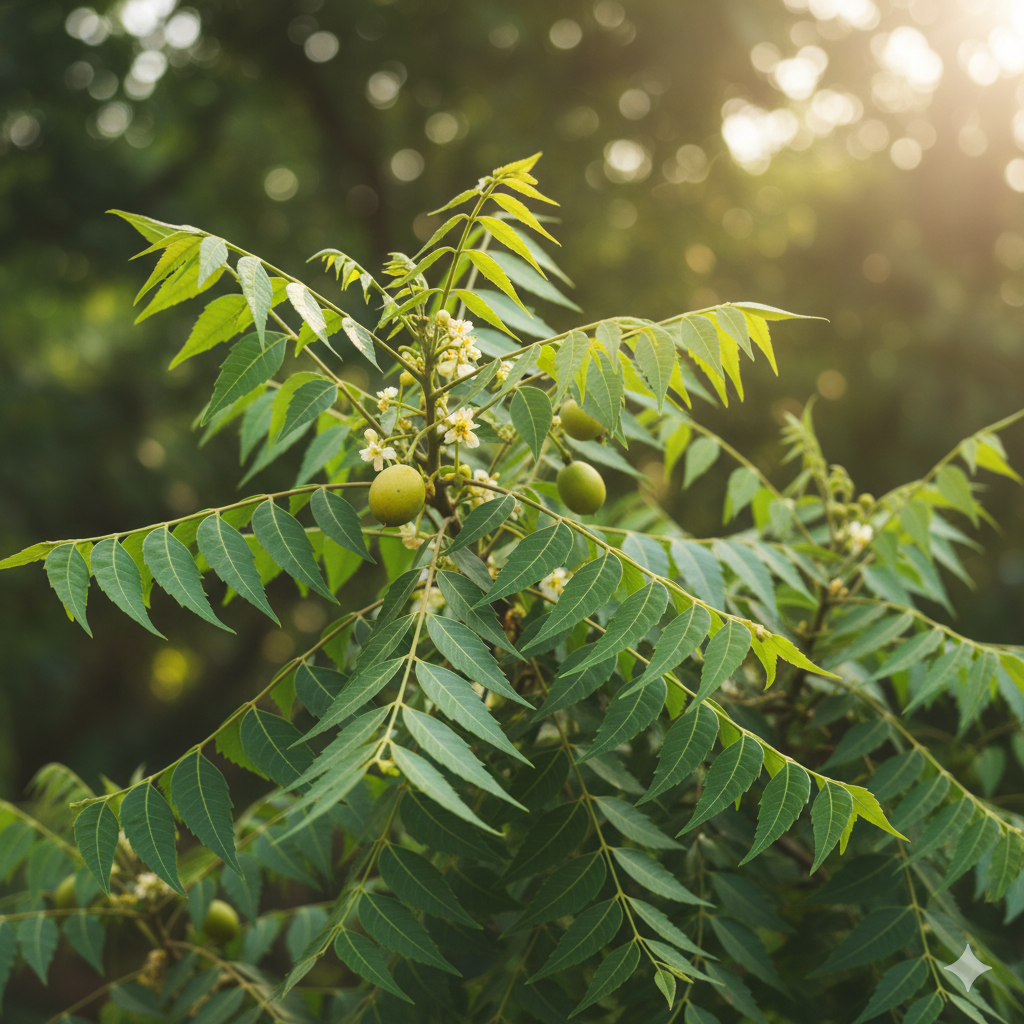
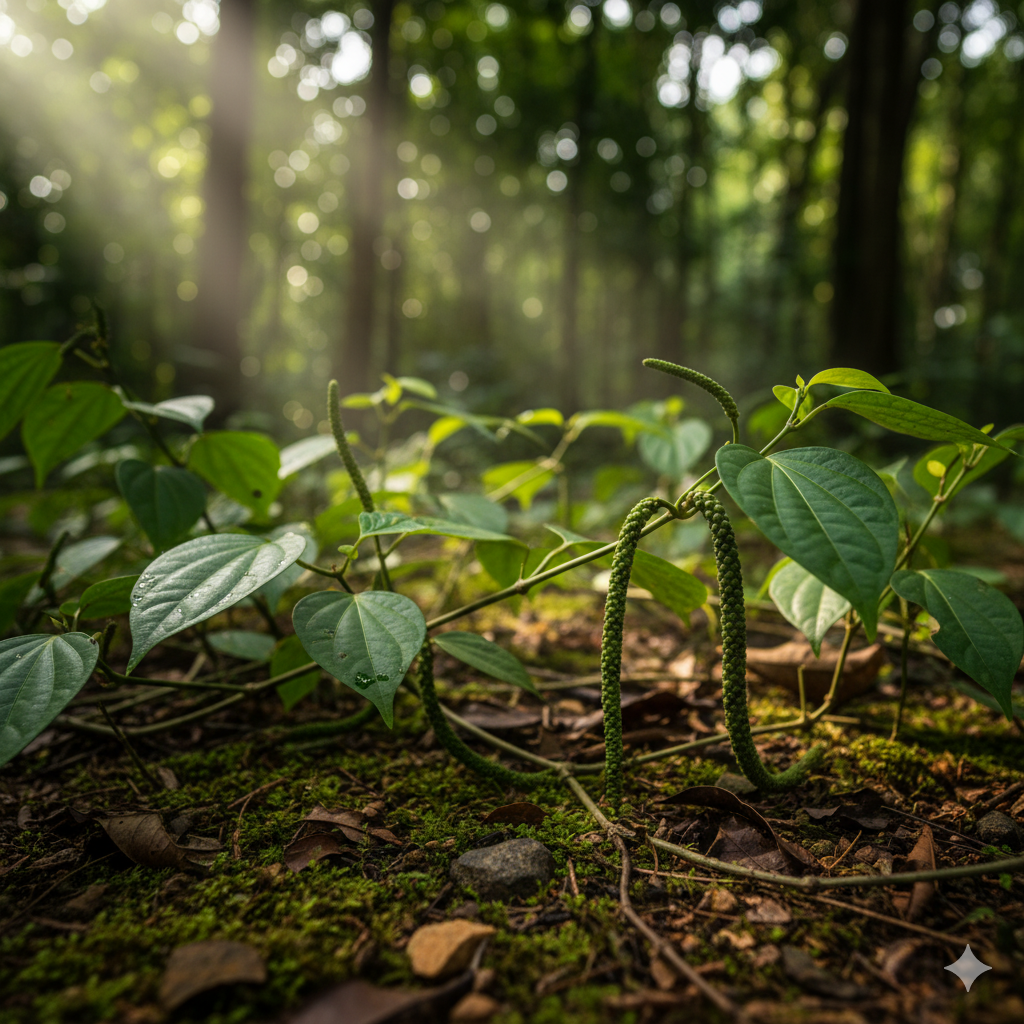
Vasa (Adhatoda vasica), also known as Malabar Nut or Vasaka, is Ayurveda's premier herb for respiratory health. The name Vasa derives from its Sanskrit designation, and the plant has been central to respiratory therapy in Indian medicine for over 2,000 years. This evergreen shrub with lance-shaped leaves and white flowers is native to India and grows throughout tropical and subtropical regions.
The leaves are the primary medicinal part, though roots and flowers are also used. Vasa primarily pacifies Kapha and Pitta doshas while slightly aggravating Vata when used long-term. Its bitter (tikta) and astringent (kashaya) tastes combined with cooling (sheeta) potency make it ideal for inflammatory respiratory conditions with excess mucus. The herb contains the alkaloid vasicine, which accounts for much of its bronchodilatory and expectorant activity.
Therapeutic Uses
Vasa's primary application is respiratory disorders, particularly asthma and chronic bronchitis. The herb acts as a powerful bronchodilator, relaxing airway smooth muscle and improving airflow. Clinical studies demonstrate significant improvements in lung function parameters including forced expiratory volume (FEV1) and peak expiratory flow rate (PEFR). Vasa reduces frequency and severity of asthma attacks while improving overall respiratory capacity.
As an expectorant, Vasa effectively loosens and expels mucus from respiratory passages. Unlike simple expectorants, it also reduces mucus production, addressing both excess and retention. The herb's mucolytic properties break down thick, tenacious mucus, making it easier to expectorate. This is particularly valuable in chronic productive cough and chronic obstructive pulmonary disease (COPD).
Vasa demonstrates significant antimicrobial activity against respiratory pathogens. Research confirms antibacterial effects against common organisms causing respiratory infections including Streptococcus pneumoniae, Haemophilus influenzae, and Staphylococcus aureus. The herb's antiviral properties benefit viral respiratory infections. Combined with anti-inflammatory effects, this makes Vasa valuable for acute respiratory infections.
The anti-inflammatory properties of Vasa reduce airway inflammation, a key component of asthma and chronic bronchitis. It inhibits inflammatory mediators and provides antioxidant protection to lung tissues. Research shows reduced inflammatory markers in respiratory tract with Vasa treatment.
For chronic cough of various etiologies, Vasa provides antitussive (cough-suppressing) effects while addressing underlying causes. Unlike simple cough suppressants, it normalizes respiratory function rather than merely masking symptoms. The herb is particularly effective for dry, irritating cough and post-viral cough syndromes.
Vasa supports voice health and is traditionally used by singers and speakers. The herb soothes vocal cords and reduces inflammation of the larynx and pharynx. It is beneficial for laryngitis, pharyngitis, and voice strain.
How to Use
Leaf Juice (Swarasa): Fresh Vasa leaf juice (10-20 ml) with honey is the most potent form. Take 2-3 times daily for acute respiratory conditions. The juice is intensely bitter; honey helps palatability and provides additional therapeutic benefits.
Powder: 1/2 to 1 teaspoon (2-3 grams) of dried Vasa leaf powder with warm water or honey 2-3 times daily. Less potent than fresh juice but more convenient.
Decoction: Boil 5-10 fresh leaves or 1 tablespoon powder in 2 cups water, reduce to 1 cup. Drink 1/2 cup twice daily for bronchitis, asthma, or chronic cough.
Syrup: Commercial Vasa syrups are widely available and convenient, particularly for children. Follow package directions, typically 5-10 ml, 2-3 times daily.
Steam Inhalation: Add fresh Vasa leaves to boiling water and inhale steam for direct respiratory benefit. Particularly effective for congestion and acute respiratory infections.
Combination Formulas: Often combined with Tulsi, Licorice, or Ginger for enhanced respiratory benefits. May be included in multi-herb respiratory formulas.
Dosage
- Fresh leaf juice: 10-20 ml, 2-3 times daily
- Leaf powder: 2-3 grams, 2-3 times daily
- Decoction: 1/2 cup twice daily
- Syrup: 5-10 ml, 2-3 times daily (or as directed)
For acute respiratory infections, use for 7-14 days. For chronic conditions like asthma, use for 2-3 months with professional guidance. Long-term continuous use beyond 3 months should be under supervision, with periodic breaks recommended.
Contraindications
While generally safe for short-term respiratory use, Vasa requires certain precautions. Pregnant and breastfeeding women should avoid Vasa due to its uterine stimulant properties and potential effects on lactation. The herb is contraindicated during pregnancy as it may cause uterine contractions.
Those with bleeding disorders should exercise caution, as high doses may affect coagulation. Vasa contains vitamin K, which generally promotes clotting, but the overall effects on hemostasis require professional consideration.
The herb may interact with bronchodilator medications. Those on asthma medications should use Vasa under healthcare supervision, though it often allows medication dose reduction. Do not discontinue prescription medications without professional guidance.
Individuals with severe liver or kidney disease should use Vasa under medical supervision. While not directly hepatotoxic or nephrotoxic, the herb's effects on these organs during disease states are not fully characterized.
Excessive doses may cause nausea, vomiting, or diarrhea. Start with lower doses and gradually increase. Some individuals may experience mild gastrointestinal upset; taking with food often helps.
Long-term use (>3 months continuous) should be monitored professionally, particularly in children and elderly. Periodic breaks (1-2 weeks off every 2-3 months) are advisable for chronic use.
Research and Evidence
Vasa is one of the better-researched Ayurvedic herbs for respiratory health, with over 150 published studies. The alkaloid vasicine and its derivatives have been isolated and pharmacologically characterized. Vasicine demonstrates bronchodilatory activity comparable to theophylline but with better tolerability.
Multiple clinical trials confirm Vasa's efficacy in asthma. A 2014 randomized controlled trial showed significant improvements in lung function parameters and reduced asthma symptom scores with Vasa supplementation over 8 weeks. Patients were able to reduce corticosteroid inhaler use.
Research on chronic bronchitis and COPD shows Vasa reduces exacerbation frequency, improves quality of life, and enhances exercise tolerance. The expectorant effects have been quantified, showing increased sputum production and improved mucus clearance.
Antimicrobial activity has been well-documented against respiratory pathogens. A 2016 study demonstrated significant antibacterial effects against common respiratory bacteria with minimum inhibitory concentrations comparable to some antibiotics. Antifungal activity against Aspergillus species has also been reported.
Anti-inflammatory mechanisms have been studied, showing inhibition of inflammatory cytokines and reduced oxidative stress in lung tissues. Animal studies demonstrate protection against allergen-induced airway inflammation.
The bronchodilatory mechanism involves relaxation of bronchial smooth muscle through multiple pathways. Vasicine has been shown to have calcium channel blocking activity and phosphodiesterase inhibition, explaining its effectiveness.
Safety studies show good tolerability at therapeutic doses. No serious adverse events have been reported in clinical trials. The traditional use over millennia provides empirical safety data. However, modern studies on long-term safety (>6 months) are limited, warranting professional supervision for extended use.
Vasa extracts have been incorporated into several pharmaceutical respiratory preparations in India, reflecting its validated efficacy and safety profile in respiratory care.
Frequently Asked Questions
What is Vasa used for?
Vasa is used for asthma, chronic bronchitis, COPD, productive cough, respiratory infections, voice health (singers/speakers), and mucus clearance. It's Ayurveda's premier respiratory herb with powerful bronchodilatory and expectorant properties.
Can Vasa help with asthma?
Yes, Vasa is highly effective for asthma. Clinical studies show significant improvements in lung function (FEV1, PEFR), reduced attack frequency/severity, and improved respiratory capacity. It acts as bronchodilator, reduces inflammation, and addresses underlying causes. Use for 2-3 months for optimal benefits.
How should I take Vasa for respiratory issues?
Fresh leaf juice (10-20ml with honey) 2-3 times daily is most potent. Alternatively, use powder (2-3g), decoction (1/2 cup twice daily), or commercial syrup (5-10ml 2-3x daily). For acute infections use 7-14 days; chronic conditions 2-3 months.
Is Vasa safe during pregnancy?
No, Vasa is contraindicated during pregnancy due to uterine stimulant properties that may cause contractions. Breastfeeding women should also avoid due to potential effects on lactation. Consult healthcare provider for respiratory issues during pregnancy.